What Is Ozone (O₃) and How Does It Work?
Ozone (O₃) is a highly reactive form of oxygen widely used in air treatment, water purification, odor control, and environmental applications. Thanks to its strong oxidation properties, ozone can help break down odor-causing compounds and reduce certain airborne contaminants. This article explains what ozone is, how it works, where it is commonly used, and why it naturally converts back into oxygen after use.
What Is Ozone (O₃)?
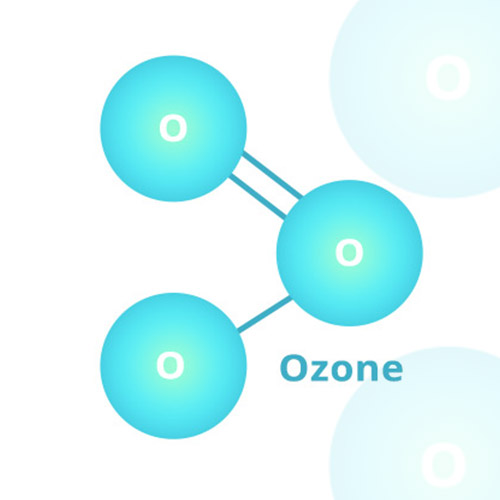
Ozone (O₃) is a molecule made of three oxygen atoms. Unlike the oxygen we normally breathe (O₂), ozone is highly reactive and has strong oxidizing properties.
Ozone occurs naturally in the environment and can also be generated artificially using ozone-generating technology. After thunderstorms, the “fresh air” smell people notice is partly associated with naturally formed ozone.
Because of its reactive nature, ozone is widely used in air treatment, water purification, odor control, and environmental applications.
How Does Ozone Work?
Ozone works primarily through oxidation.
The third oxygen atom in an ozone molecule is unstable and reacts easily with other substances. When ozone comes into contact with odor-causing compounds, smoke particles, or certain microorganisms, oxidation reactions can help break them down.
For example, ozone may help reduce:
Smoke odors
Pet odors
Kitchen odors
Bathroom odors
Certain volatile organic compounds (VOCs)
After the oxidation process, ozone naturally decomposes back into oxygen (O₂), leaving no long-term chemical residue behind.
Why Does Ozone Disappear?
Ozone is naturally unstable and does not remain in the air for long periods.
Once dispersed into an environment, ozone continuously reacts with airborne particles, fabrics, walls, dust, odors, and other surrounding materials. During this process, ozone gradually converts back into oxygen.
In real indoor environments, ozone concentrations typically decline relatively quickly. The decay rate can be affected by factors such as:
Temperature
Humidity
Ventilation
Air contaminants
Surface materials
Although ozone is a powerful oxidant, it has a relatively short life cycle.
Common Applications of Ozone
Today, ozone technology is widely used across many industries and applications.
Air Treatment: Used to help reduce odors and certain airborne contaminants.
Water Purification: Used in drinking water treatment, industrial water systems, and swimming pools.
Food and Produce Preservation: Used to help control microbial growth and extend storage time for certain products.
Commercial and Industrial Environments: Used for odor control in warehouses, restrooms, waste areas, and other facilities.
Is Ozone Safe?
Ozone is a highly reactive gas. High concentrations of ozone should not be inhaled directly. Proper ventilation and responsible usage are important when using ozone-generating equipment.
Different ozone applications may involve different concentration levels and operating methods. High-concentration ozone treatments are commonly performed in unoccupied spaces, while lower-level applications may be used in ongoing air treatment scenarios.
Following product guidelines and maintaining proper ventilation are important for safe ozone use.
Conclusion
Ozone (O₃) is a reactive oxygen molecule with strong oxidation properties that can help break down odors and support environmental treatment applications. Because ozone naturally decomposes back into oxygen after use, it does not remain in the environment for extended periods.
As interest in air quality and environmental treatment continues to grow, ozone technology is becoming increasingly common in air treatment, water purification, and industrial applications.